Benefit from precise motor speed and torque regulation with this VFD. Supporting multiple control strategies and motor types, it adapts to a wide array of industrial applications, enabling energy optimization and improved equipment lifespan while maintaining a low noise level and robust electrical protections.
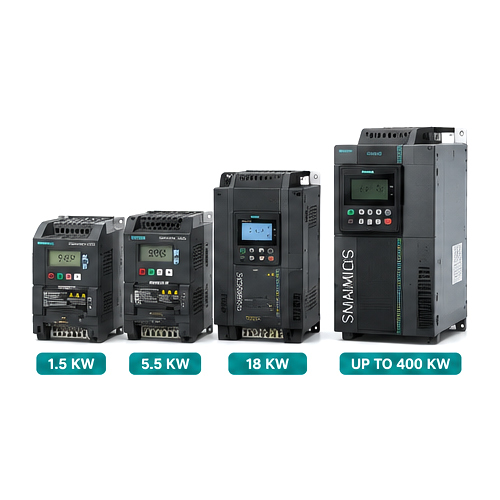
The drive accommodates single and three-phase input voltages, is compatible with various mounting options, and features programmable controls for automation. Its durable construction (ABS plastic, metal) and IP-rated protection ensure reliable operation in demanding industrial environments.
FAQ's of Variable Frequency Drive VFD:
Q: How does the VFD benefit industrial motor applications?
A: The VFD optimizes energy usage, enhances machine process control, reduces wear and tear on motors, and supports soft start/stop, improving overall system efficiency and extending equipment lifespan.
Q: What types of motors and applications are compatible with this VFD?
A: It supports induction, synchronous, and servo motors, making it suitable for pumps, fans, compressors, conveyors, and HVAC systems across various industries.
Q: How can I program and control the VFD remotely?
A: The VFD offers configurable logic and sequences for process automation and can be controlled remotely using Modbus/RS485 communication or via a remote pad connected through the fieldbus.
Q: What protection features are included in this VFD?
A: Comprehensive protections guard against overload, surge, short circuit, and overheating. It also includes multilayered safeguards to ensure safe and reliable operation even in challenging conditions.
Q: Where can the VFD be installed, and what mounting options are available?
A: The VFD comes in various sizes for different power ratings and can be mounted on panels or walls, making it adaptable for use in control rooms, machinery enclosures, or industrial plant floors.
Q: What is the process for setting up the VFD for a specific motor and load?
A: You can configure the VFD using its LCD/LED display and keypad, setting parameters such as output frequency, ramp times, motor type, protective limits, and communication settings to match your application's requirements.



 Send Inquiry


 Send Inquiry